ALL PROJECTS
Big science
PTOLEMY
Princeton Tritium Observatory for Light, Early-Universe, Massive-Neutrino Yield
Princeton (UK)
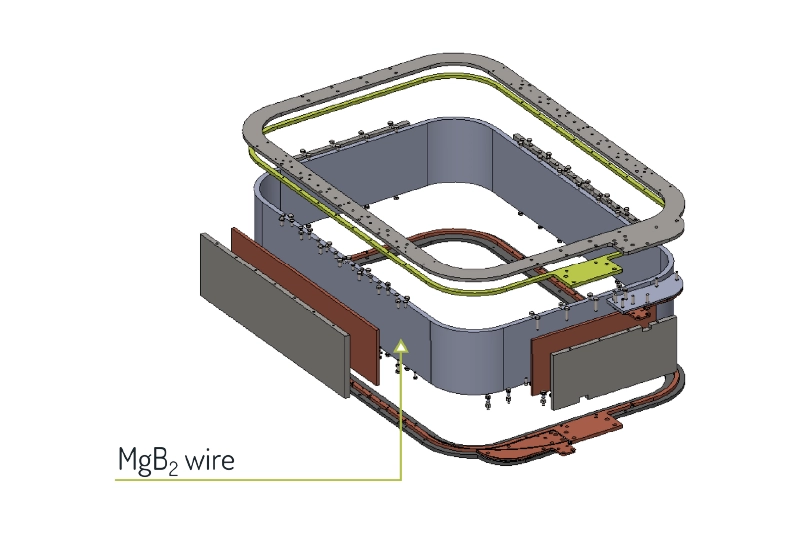
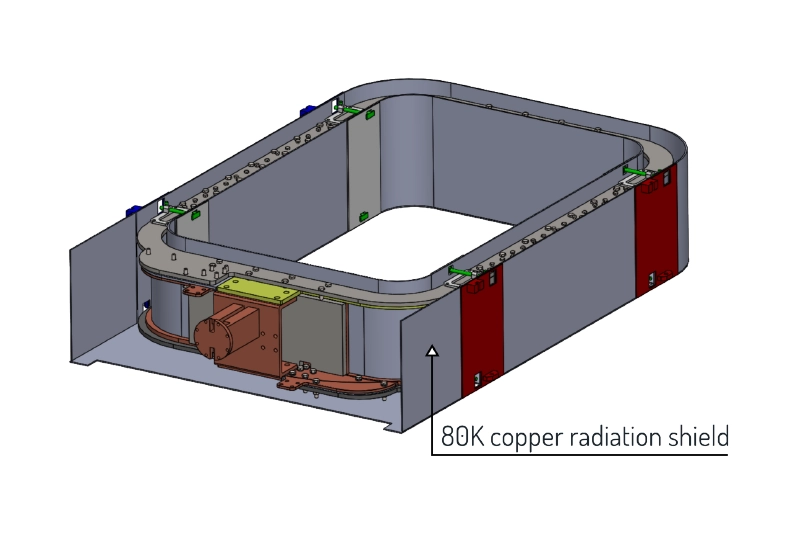
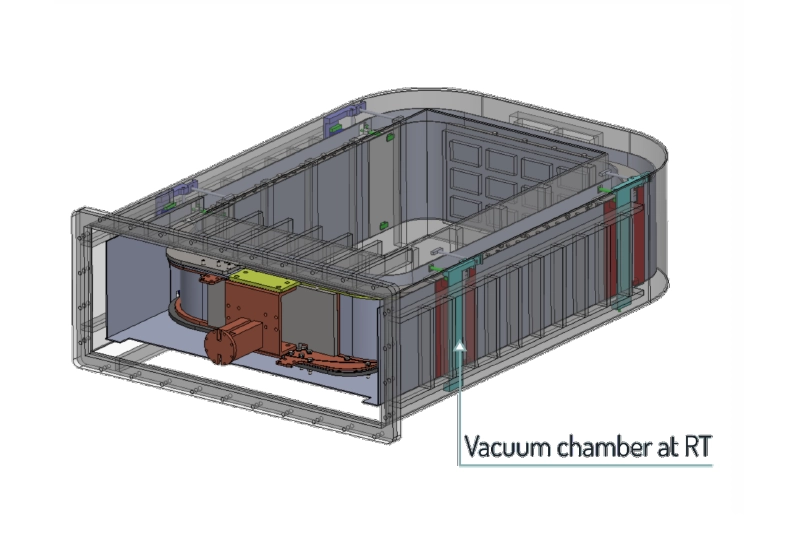
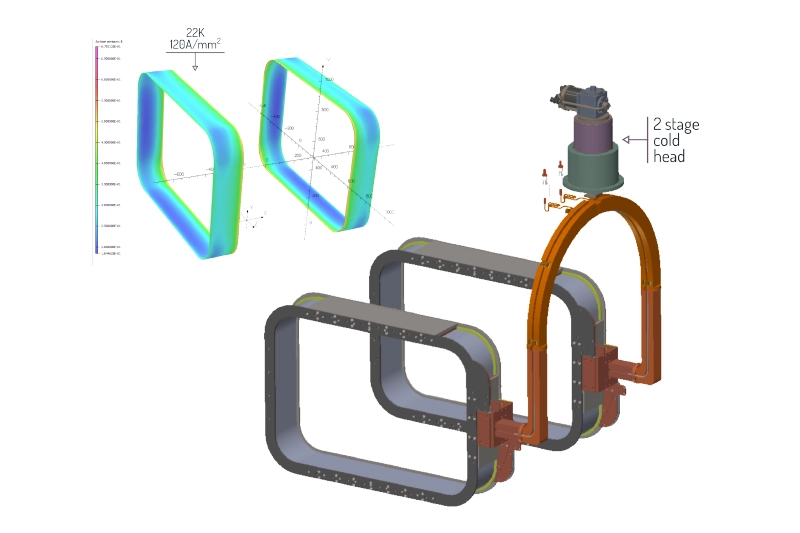
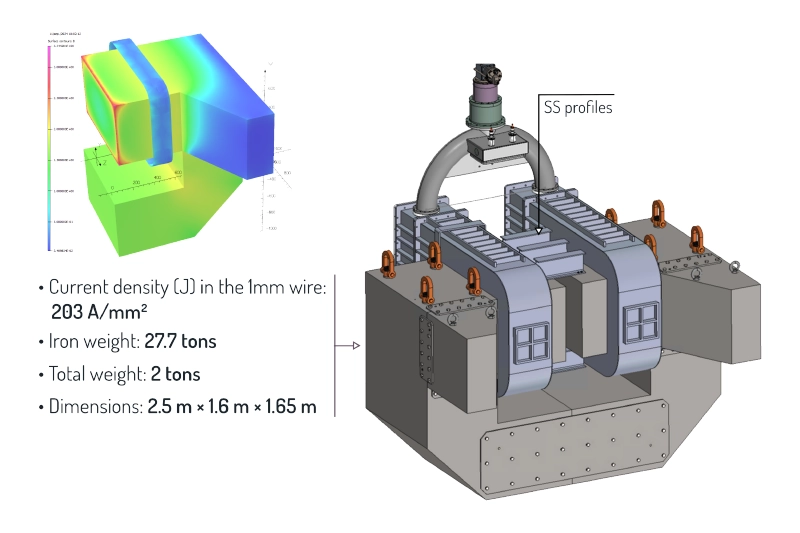
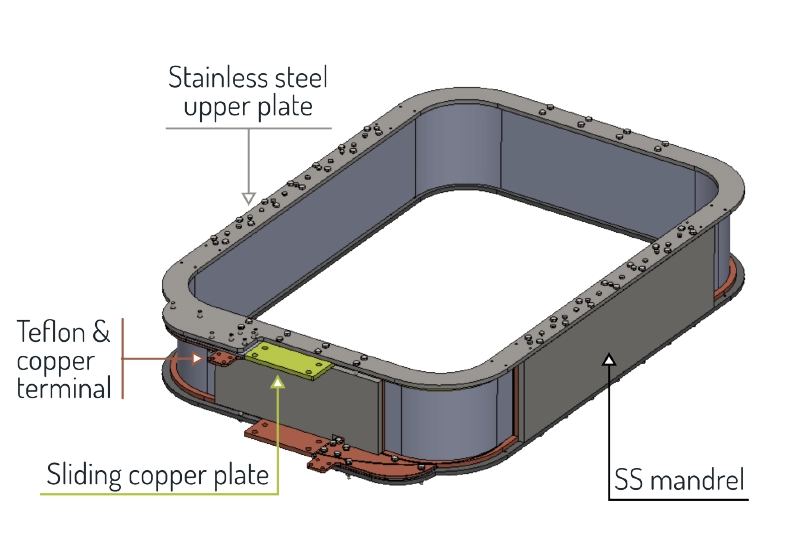
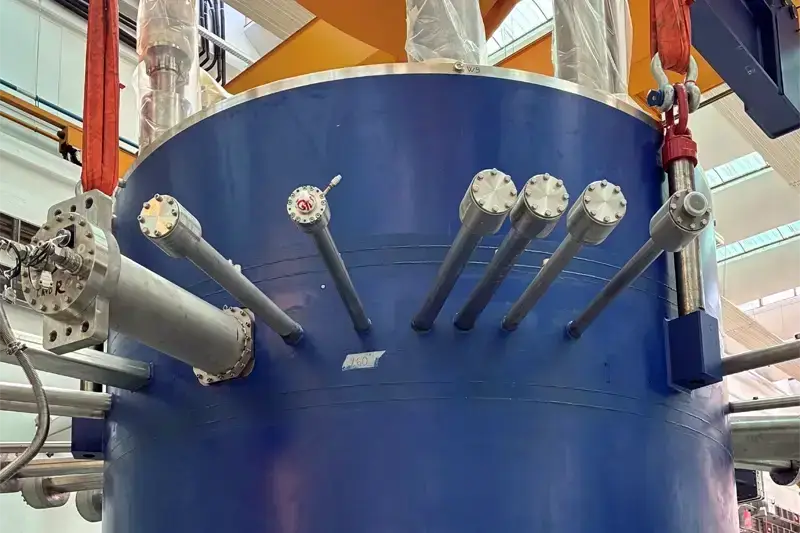
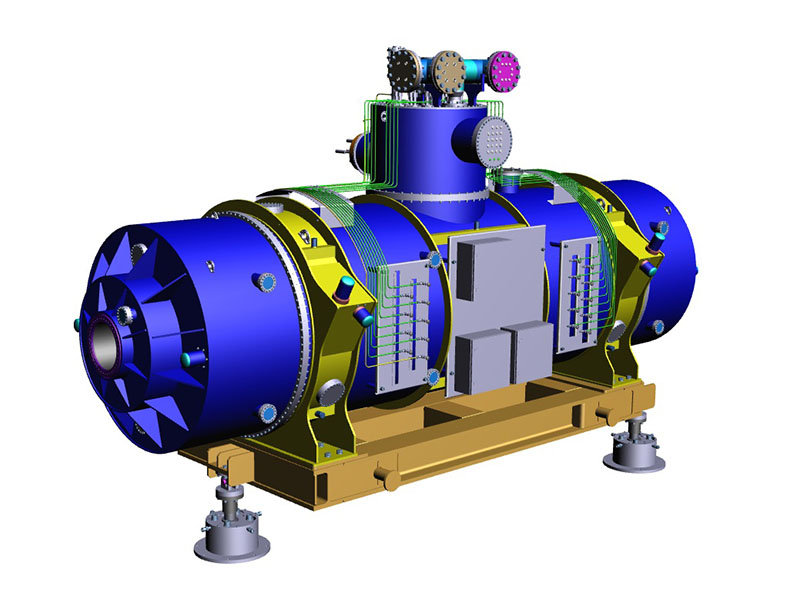
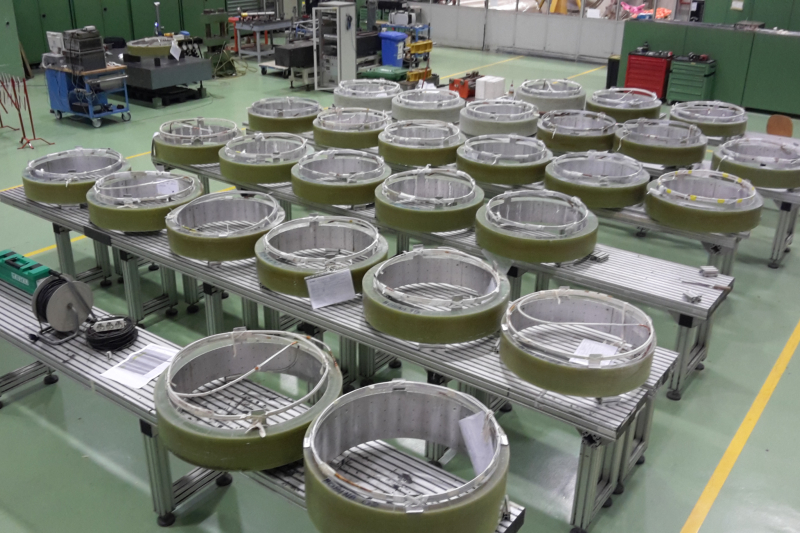
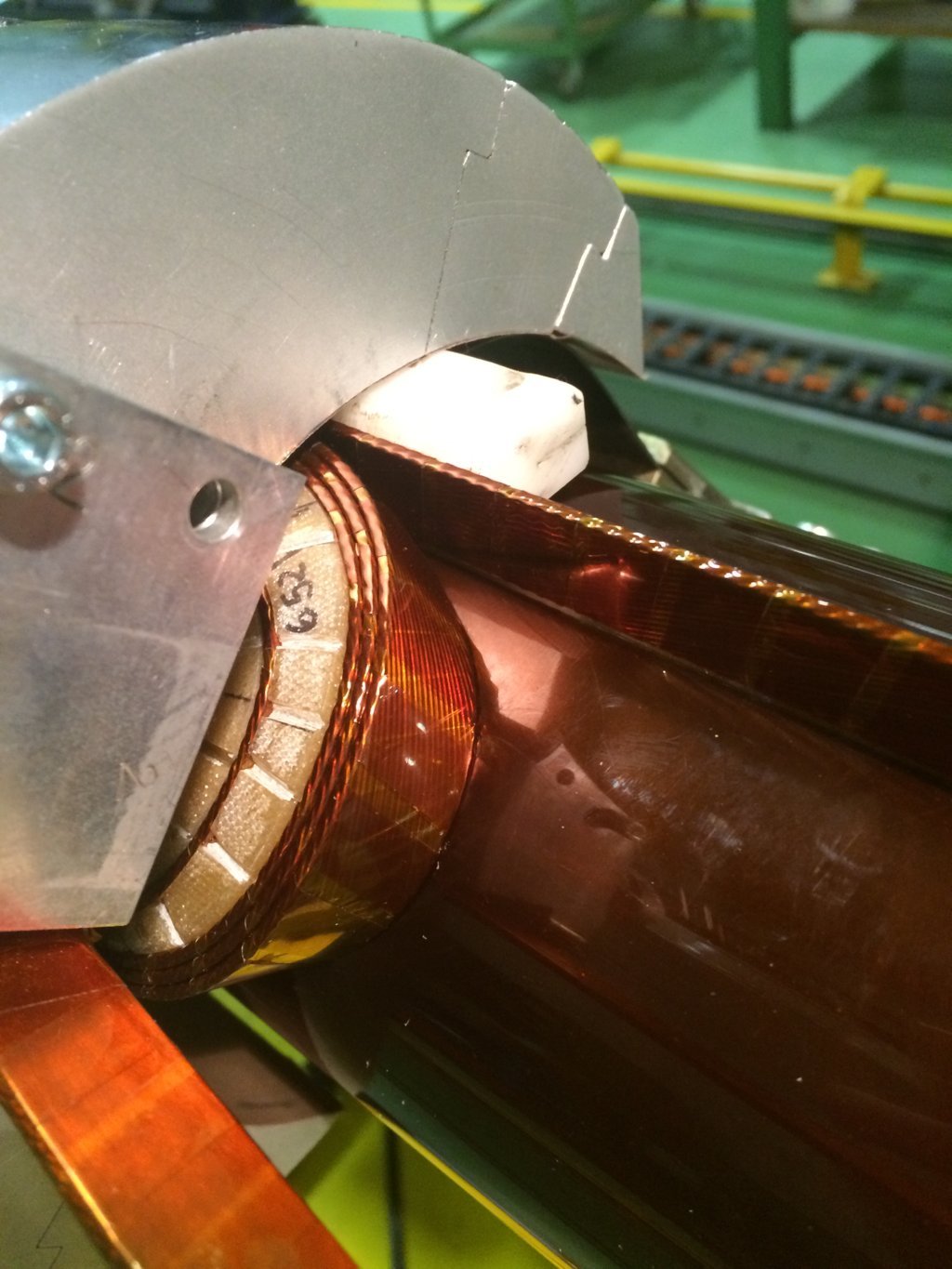
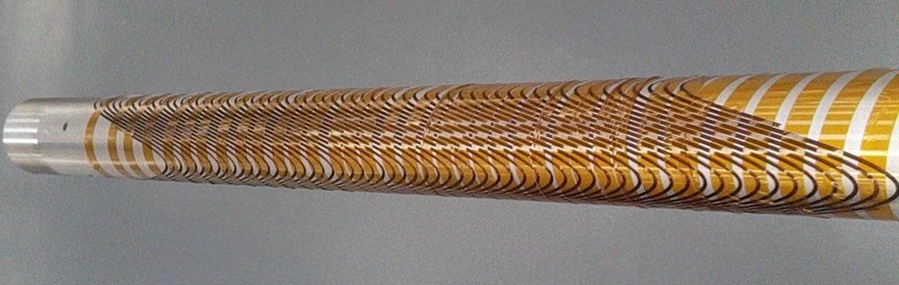
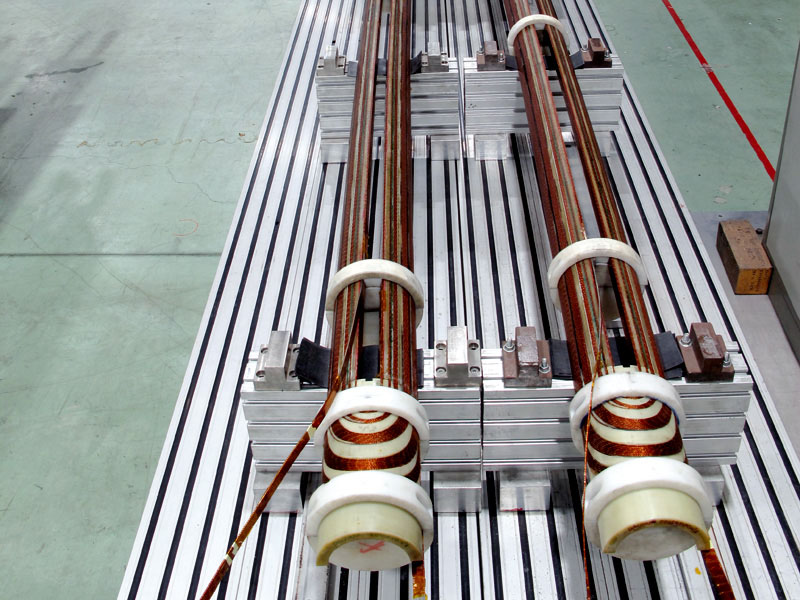
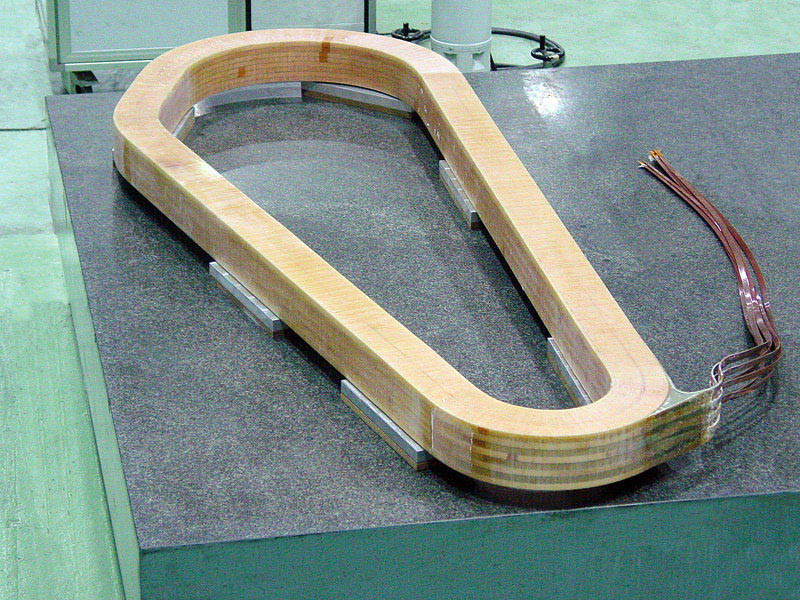
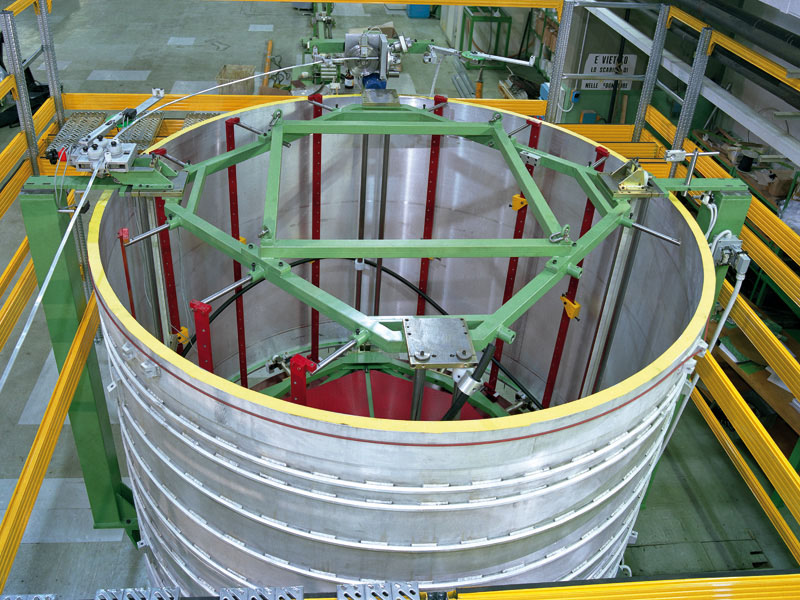
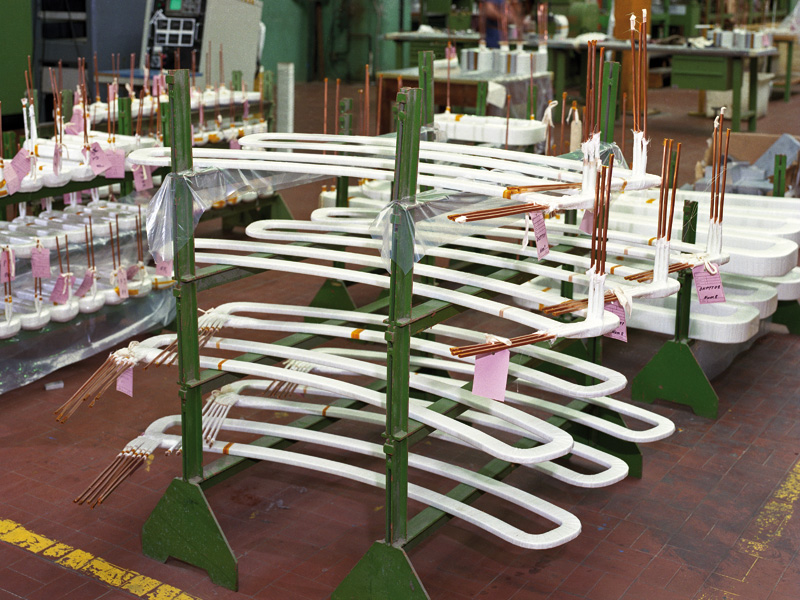
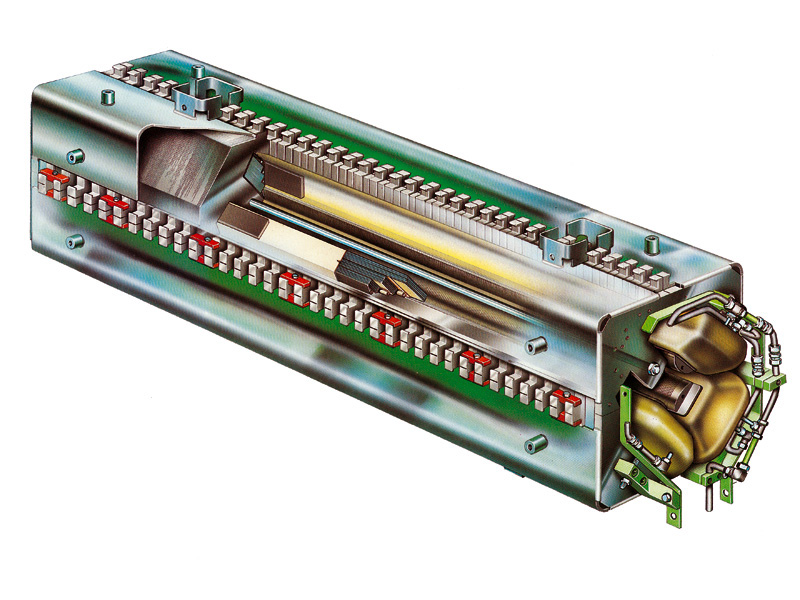
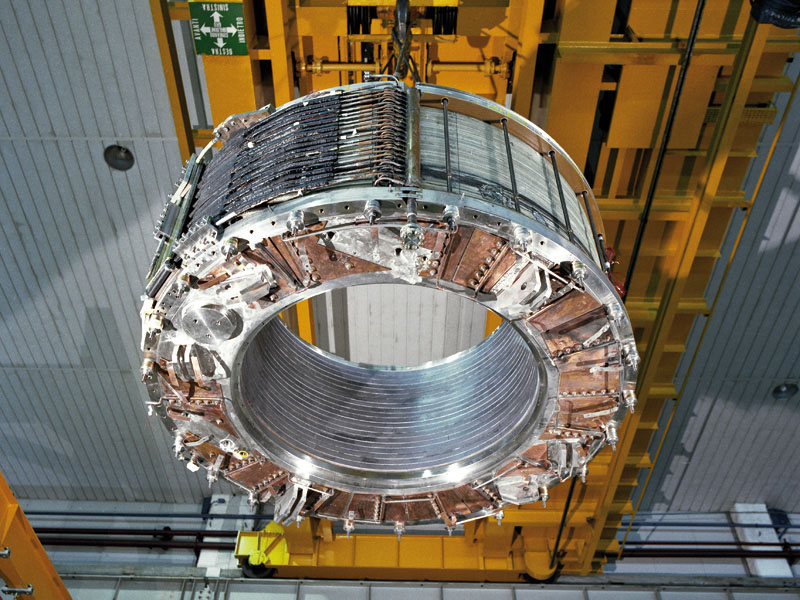
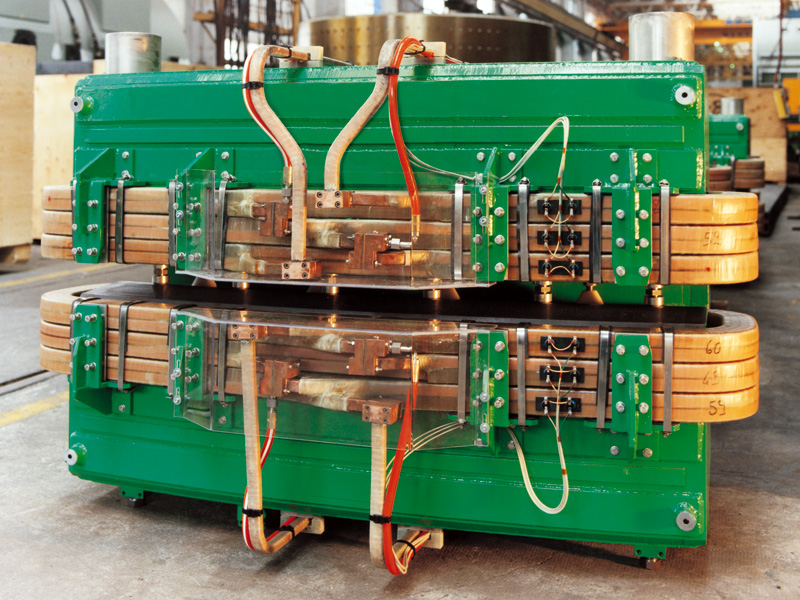
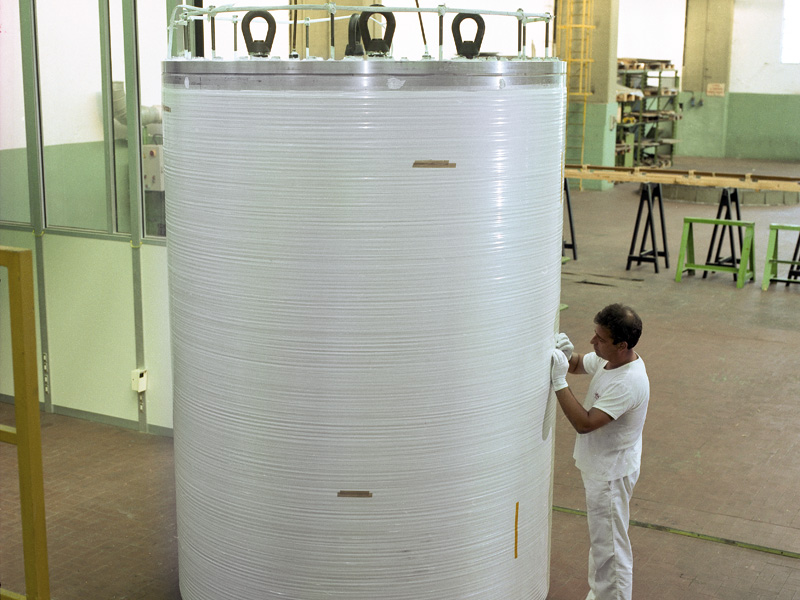
ASG Superconductors is collaborating with INFN, Princeton University, and Suprasys to develop a cutting-edge 1 T MgB₂ (Magnesium Diboride) magnet for the PTOLEMY Project. This low-power consumption high-temperature superconducting magnet is vital for the experiment's electromagnetic filter.
The PTOLEMY (Princeton Tritium Observatory for Light, Early-Universe, Massive-Neutrino Yield) project is designed to directly detect the Cosmic Neutrino Background (CNB). These relic neutrinos represent the oldest particles in the Universe, offering a window into the state of the cosmos just one second after the Big Bang.
The integration of ASG’s proprietary MgB₂ wire and magnet technology provides critical benefits for the detector: the magnet allows the PTOLEMY Project to filter and isolate the extremely rare electrons produced when relic neutrinos are captured by a solid tritium target. By utilizing high-temperature superconductors, the magnet will require significantly less operational power and cooling capacity than traditional alternatives.
The technology is actively being tested at the Laboratori Nazionali del Gran Sasso (LNGS) in Italy, paving the way to realize the first direct observation of Big Bang neutrinos.








.jpg)